


Vertical Through-Hole Power Inductor Winding inductor Special Inductor for Buzzer Alarm
DR6*12
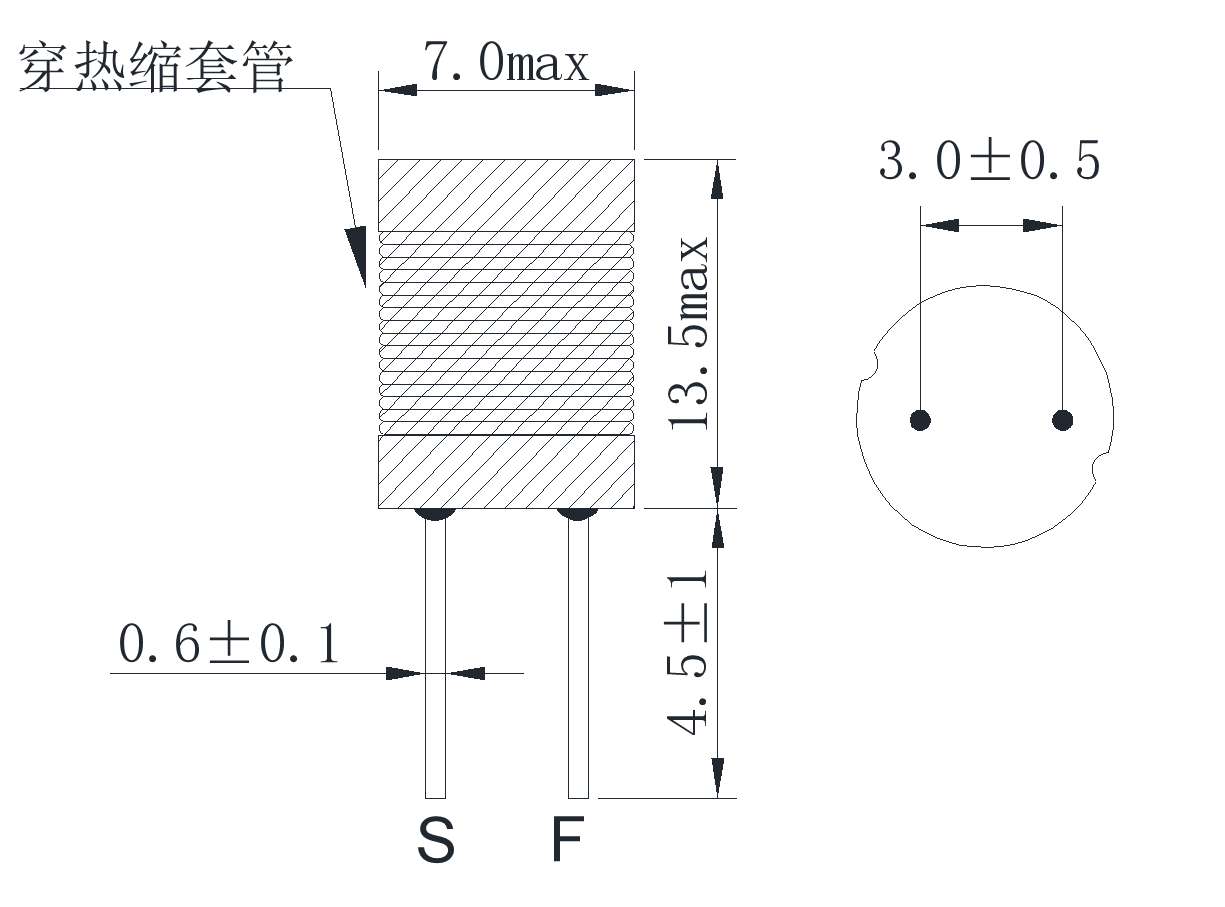
DR6×12 three-pin inductor is a plug-in type power inductor featuring a H-shaped ferrite core and a dual-winding ground-sharing tap structure. Its main dimensions are approximately 6mm in diameter and 12mm in height.
Download directory
Download directory
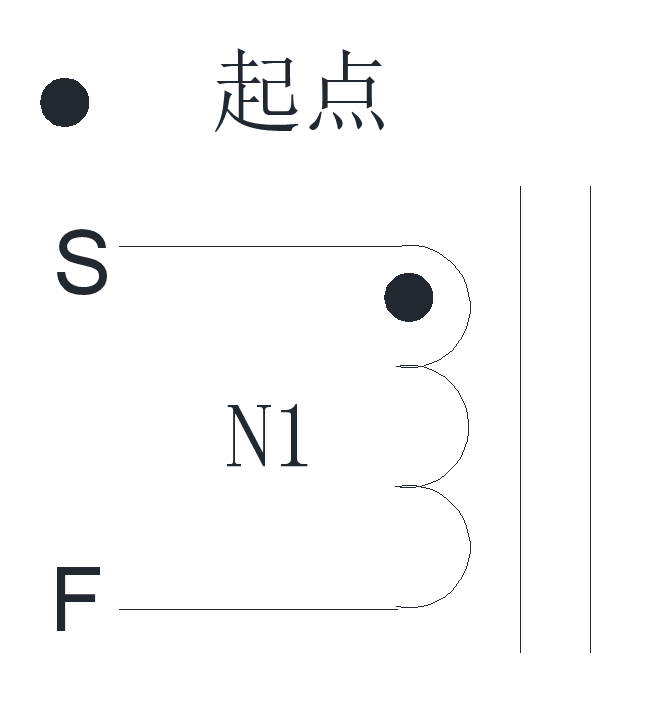
It is designed for vertical installation, occupying minimal PCB space and suitable for compact electronic devices that are sensitive to space. This inductor employs a dual-wire parallel winding technique to ensure the symmetry of the two coils. The central common pin serves as the shared connection point for the two coils and can also be used as a heat dissipation bridge and EMI suppressor.
Product parameters
| Rated current | 20mA-0.2A | Inductor type | Voltage transformer |
| Inductance | 1 mH | DCR | 0.02 Ω |
| Operating temperature range | -20℃ ~ +85℃ | Mounting Method | Through-hole (DIP) |
| Inductance tolerance | ±10%/±20% | Core Material | MnZn Power Ferrite |
| Core shape | Drum Core | Reactance (XL) | 2 Ω |
| Brand | CXWON | Tolerance | ±20% |
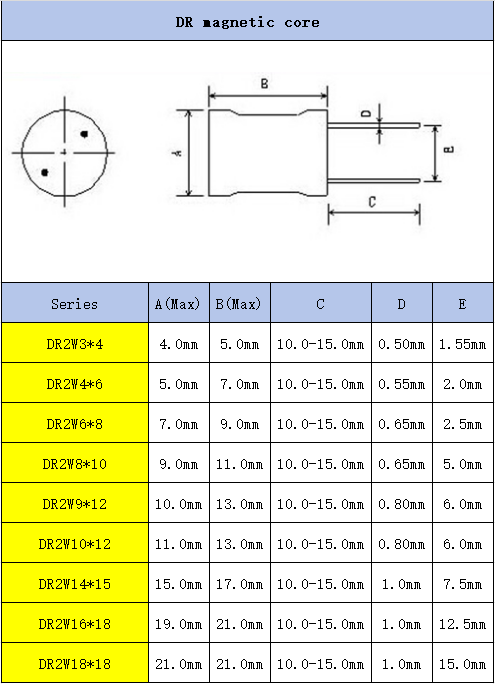
Common models
Core advantages of Inductor
1. The three-legged structure integrates two windings onto the same magnetic core, with the common terminals shared. Compared to using two separate two-legged inductors, DR6×12 can reduce approximately 30% of the PCB area, while also lowering the BOM cost and the number of assembly processes.
2. The intermediate common pin is not only an electrical connection point but also serves as a heat dissipation bridge to conduct the winding heat to the PCB copper foil, and at the same time acts as an EMI suppressor, helping to improve the electromagnetic compatibility of high-frequency circuits.
3. The I-beam inductor adopts an open magnetic circuit structure, and the magnetic core is less prone to saturation. It can still maintain a stable inductance value under transient large current impacts. This characteristic makes it superior to some closed magnetic circuit inductors in boost circuits and DC-DC converters.
4. DR6×12 adopts a vertical compact design, with a body diameter of only 6mm. The I-beam winding structure results in a smaller distributed capacitance of the coil and a higher self-resonant frequency, making it suitable for medium and high-frequency switching power supply scenarios.
5. On the same magnetic core platform, by adjusting the winding turns and wire diameter, a wide range of inductance values from 1µH to 100mH can be achieved, meeting various circuit requirements from signal filtering to power storage.
Inductor real-shot details:

Typical application scenarios

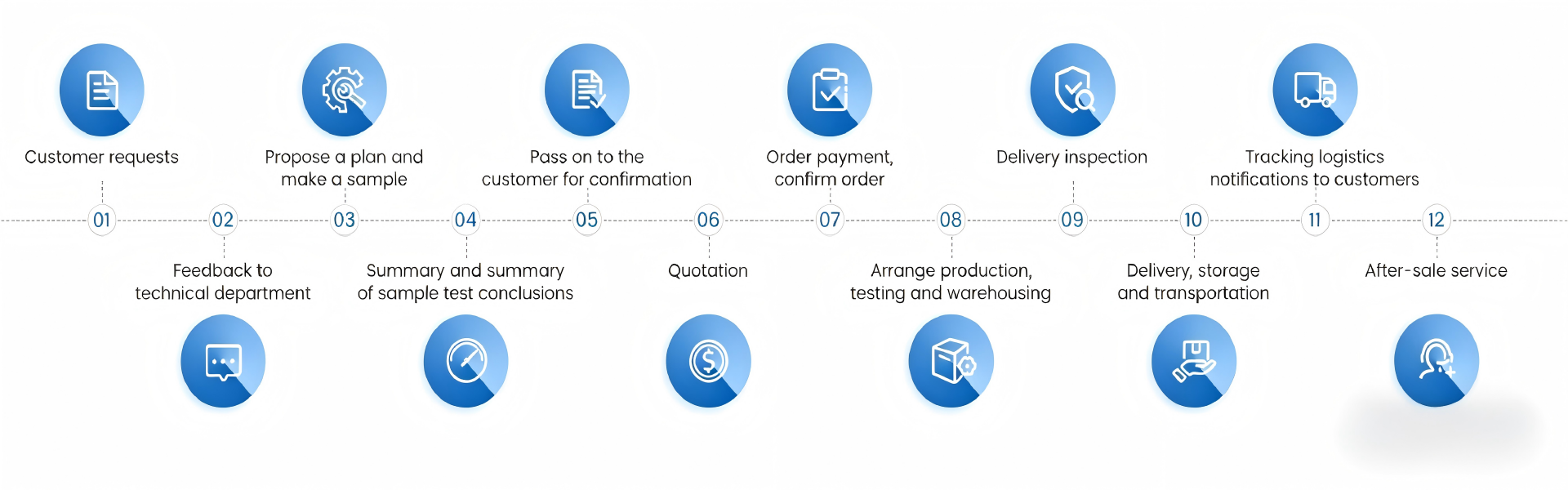
Flowchart

Why choose us

FAQ


