
Customization process of magnetic component products: Comprehensive analysis from drawing to sample delivery.
2026-09-17
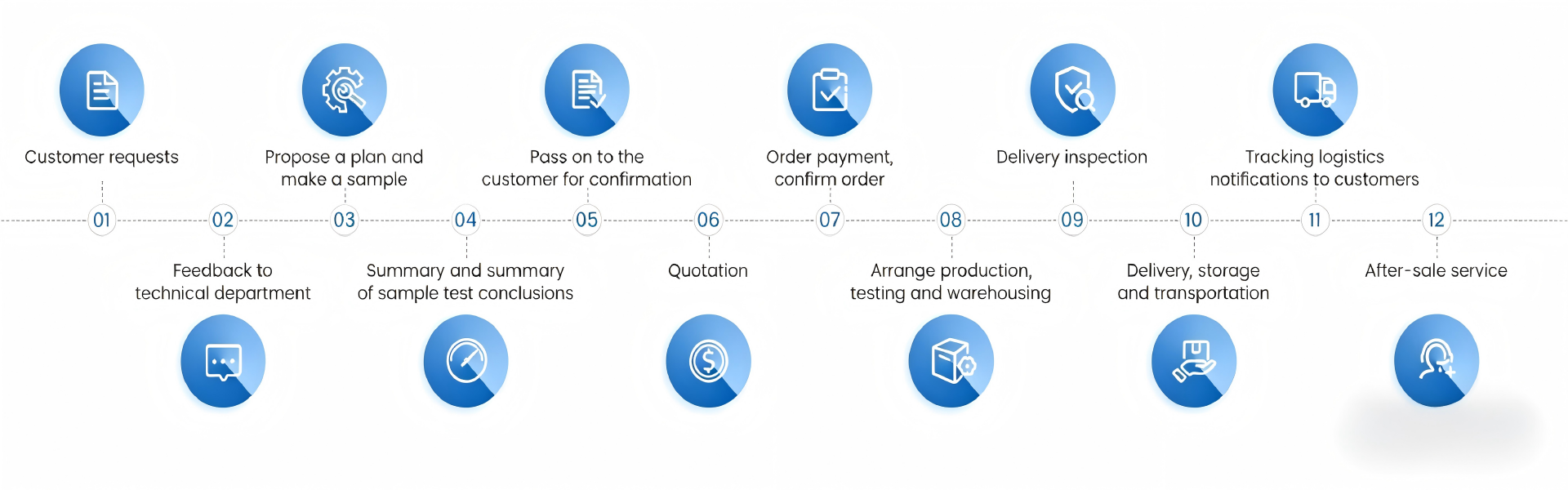
In the high-end power electronics fields such as new energy vehicles, charging piles, industrial high-frequency power supplies, energy storage inverters, and vehicle electronic control systems, standardized and general-purpose magnetic components have long been unable to meet the differentiated requirements of detailed work conditions. Different devices have significant differences in working frequency, power level, voltage system, installation space, temperature range environment, and EMC indicators. Customized inductors, transformers, common-mode choke coils, and other magnetic components, with their strong adaptability to working conditions, high parameter accuracy, stable reliability, and the ability to match small-scale structures, have become the core choice for the research and production of high-end equipment.
Magnetic component customization is not a simple modification of parameters, but a standardized closed-loop process covering demand alignment, scheme design, drawing solidification, sample prototyping, performance testing, rectification and optimization, batch trial production, and quality inspection of delivery. A standardized customization process is the core prerequisite for ensuring precise sample parameters, performance compliance, stable production consistency, and adaptation to the strict working conditions of end devices.
- Precise demand alignment: The basic pre-step of the customization process
The core premise of magnetic component customization is to clearly define the actual working conditions and technical indicators of the end device to avoid design deviations and repeated sample rectifications due to ambiguous requirements. Before the formal design, both the supplier and the demand side need to complete comprehensive demand confirmation, covering four core dimensions: electrical parameters, structural dimensions, working conditions environment, and certification standards.
Electrical parameters include working frequency, rated current, peak impact current, inductance/variation ratio parameters, withstand voltage level, loss threshold, ripple suppression requirements, saturation current indicators; structural dimensions include maximum package size, pin spacing, installation method, wiring layout, shell compatibility requirements, and strict adherence to PCB board layout and equipment internal space; working conditions environment needs to clearly define the equipment working temperature range, vibration level, humidity, salt spray requirements, and long-term full-load operation conditions; certification standards distinguish between vehicle-grade AEC-Q200, industrial IEC, and civilian safety standards, locking the customization standards from the source and eliminating later compliance issues. Complete demand sorting provides precise basis for subsequent drawing design and parameter modeling.

- Core design of customization: Key design and drawing solidification steps
After demand confirmation, the most critical stage of customization is the drawing design and scheme modeling, directly determining the performance, volume, loss, and reliability of magnetic components. The technical team will match magnetic core materials based on the terminal working conditions, select low-loss ferrite and nanocrystal materials for high-frequency scenarios, iron-silicon and iron-silicon-aluminum magnetic powder cores for large current anti-saturation scenarios, and high-temperature vehicle-grade materials and insulation systems for high-temperature vehicle-grade scenarios.
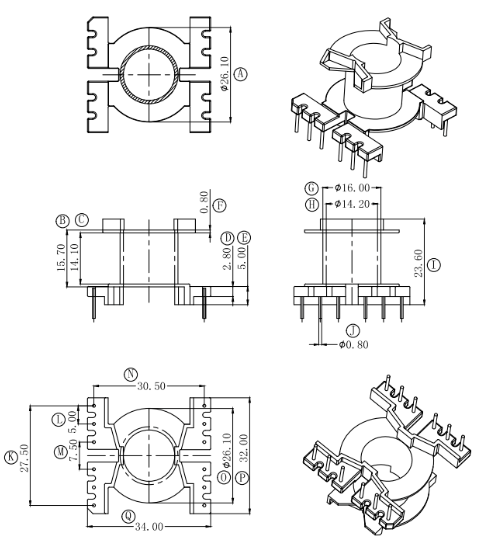
After determining the material, through electromagnetic simulation software, complete magnetic circuit optimization, magnetic flux density simulation, loss modeling, and temperature rise prediction, accurately calculate the cross-sectional area of the magnetic core, the number of windings, wire diameter ratio, air gap size, winding method, balance the core miniaturization, low loss, anti-saturation, and low temperature rise core requirements. After completing the simulation modeling, output standardized customized drawings, which must be fully marked with external dimensions, pin parameters, electrical tolerance, winding process, insulation grade, encapsulation requirements, and temperature range, etc., key parameters.
After the drawing output, it needs to be reviewed by both the supplier and the demand side, confirming that there is no interference in the structure, no deviation in parameters, and no error in the adaptation to the working conditions before being officially solidified, serving as the sole technical basis for subsequent prototyping, testing, and mass production, and avoiding problems such as structural mismatch, parameter drift, and performance non-compliance from the design end.
- Small-batch sample prototyping: Precise process implementation
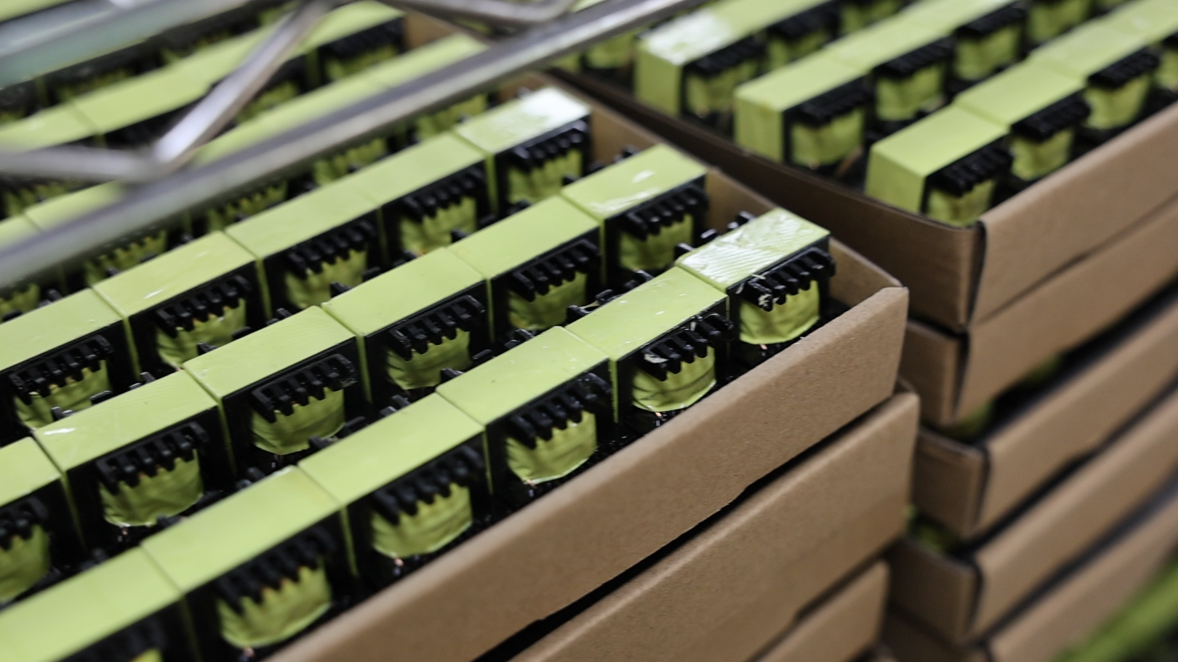
After drawing solidification is completed, enter the sample prototyping stage. Different from mass production lines, customized samples focus on high precision and meticulous process control, strictly following the drawing process standards. First, complete magnetic core cutting, grinding, and pairing to ensure the magnetic core is tightly adhered, without burrs, and the air gap is uniform; Subsequently, a fully automatic and precise winding equipment was adopted to complete the winding arrangement according to the predetermined number of turns, wire diameter, and tension standards, eliminating defects such as uneven density, line deviation, and deviation in the number of turns.

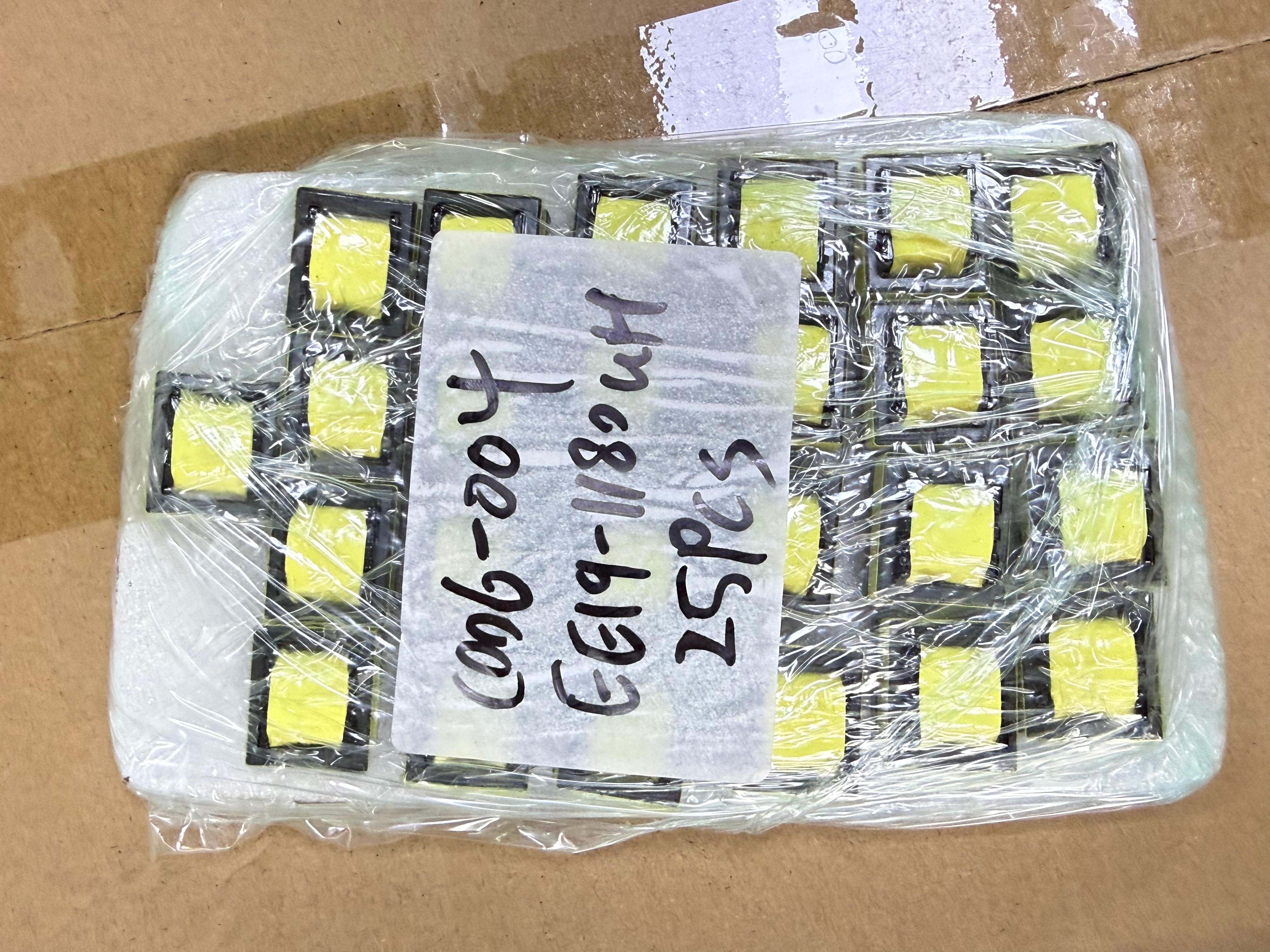
After the winding process, insulation treatment, vacuum impregnation, high-temperature curing, and pin shaping were carried out. Vacuum impregnation can completely fill the gap of the winding, improving the moisture-proof, shock-proof, and insulation performance of the device, and reducing high-frequency loss and working noise. For automotive-grade and industrial high-end customized products, additional structural reinforcement, buffer vibration reduction, sealing and anti-corrosion treatment were added to adapt to harsh working conditions. The entire sample-making process was subject to manual re-inspection and precise equipment control to ensure the accuracy and compliance of the parameters of each sample.
- Comprehensive Performance Testing: Verify Sample Compatibility with Operating Conditions
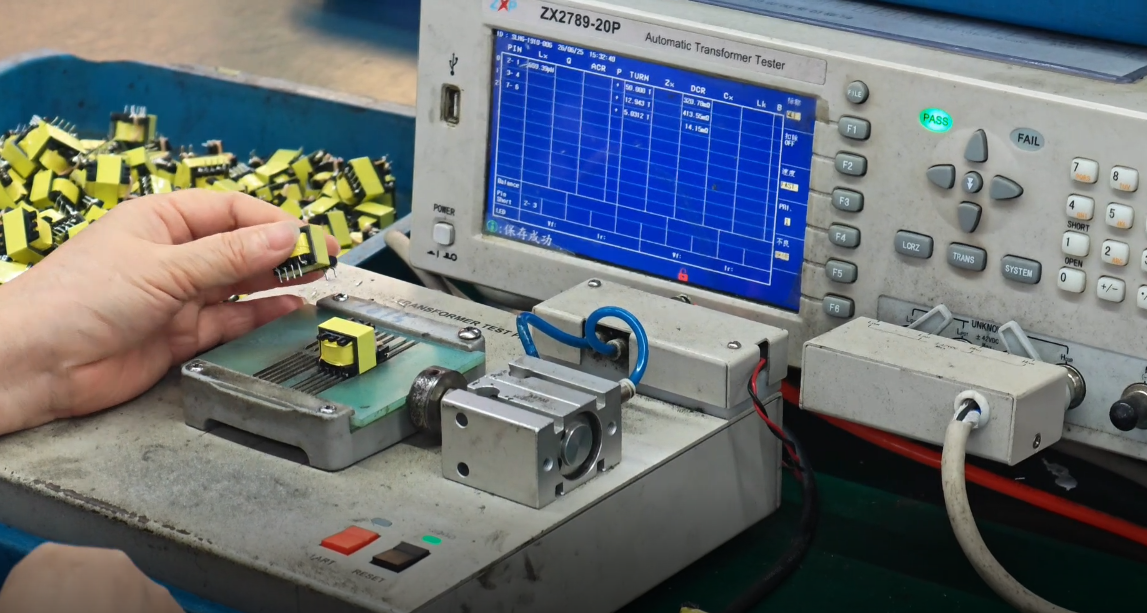
After the sample was fabricated, it must undergo comprehensive electrical testing and environmental reliability testing. Only after meeting the standards can it be delivered. This is the core link that distinguishes ordinary samples from high-quality customized samples. Basic electrical testing includes inductance, leakage inductance, DC resistance, ratio accuracy, saturation current, high-frequency loss, and withstand voltage insulation tests, ensuring that the electrical parameters fully match the design drawings and the tolerance is controlled within the industry's high-end standards.
The reliability testing of operating conditions is customized for the terminal scenarios. For automotive-grade products, they need to complete high-low temperature cycling, cold and hot shock, random vibration, salt spray and wet heat tests; for high-frequency power supply products, they need to complete full-load temperature rise testing, high-frequency aging testing, and harmonic interference testing; for energy storage equipment magnetic components, they need to complete long-term heavy-load durability testing. All test data are recorded throughout the process, forming a complete test report. If there are issues such as parameter drift, temperature rise exceeding the standard, or excessive loss, the design and process will be traced back and optimized and rectified specifically until the sample is fully compliant.
- Sample Rectification and Parameter Optimization: Closed-loop Iteration and Upgrade
During the customized sample-making process, the initial sample is likely to have minor compatibility issues, such as high high-frequency loss, light-load whistling, slightly higher temperature rise, and insufficient structural fit. Therefore, rectification and iteration are an indispensable part of the customized process. The technical team precisely locates the root cause of the problem based on the test data and terminal feedback: if the loss is excessive, the magnetic material ratio and winding process are optimized; if the saturation is insufficient, the magnetic path air gap and magnetic flux working point are adjusted; if there is structural interference, the shape dimensions are adjusted; if there is an abnormal noise problem, the vibration and sealing molding process is optimized.
After 1-2 rounds of iterative optimization, the sample performance reaches the optimal state, and the final standard sample is determined. The design parameters, process parameters, and test standards are sealed and stored, laying a unified standard for subsequent batch production, ensuring that the production samples have exactly the same performance as the final sample, and eliminating the problems of parameter dispersion and performance degradation in batches.
- Production Process Solidification and Batch Trial Production
After the sample is confirmed and finalized, it officially enters the production preparation stage. The core work is process solidification and small-batch trial production. The technical team will organize all design parameters, winding standards, impregnation process, curing temperature, test thresholds, and assembly process into standardized operation guidelines, and simultaneously complete the parameter debugging of production line equipment, training of operators, and unified quality inspection standards.
Through small-batch trial production to verify the compatibility of the production line, inspect the parameter consistency, appearance quality, and temperature rise performance of the batch products, and identify potential process deviations, equipment errors, and quality hazards during the production process, optimize the production process, and control the parameter dispersion of the batch within a very small range to ensure the stability and consistency of large-scale production.
- Final Inspection Control and Sample Delivery
Before the final sample and batch production samples are shipped, a strict final inspection must be completed, divided into three parts: appearance inspection, electrical re-inspection, and data verification. The appearance inspection checks the size of the device, the flatness of the pins, and the integrity of the packaging, ensuring no damage, no overflow glue, and no deformation; the electrical re-inspection samples test the core parameters to ensure stable performance without drift; the data verification includes complete drawings, test reports, material certificates, and compliance certification documents.
After all the inspections are passed, standardized dust-proof and moisture-proof packaging, batch identification classification are carried out, and the samples are officially shipped. At the same time, sample retention backups, process archives and test data are retained, and a complete product traceability system is established to provide guarantees for subsequent after-sales adaptation, product iteration, and batch replenishment.
- Summary
The complete customization process for magnetic components is a closed-loop system covering the entire chain from demand docking, drawing design, simulation modeling, precise prototyping, performance testing, iterative improvement, trial production and solidification to final inspection and shipment. Different from standard component procurement, the customized mode can precisely match the various differential operating conditions of various high-end power electronic devices, solving the industry pain points of poor adaptability, insufficient performance, and low reliability of general magnetic components. The standardized customization process not only ensures precise sample parameters, performance compliance, and compatibility of working conditions, but also achieves highly unified quality of mass-produced products, significantly improving the stability, energy efficiency, and service life of end devices.
With the rapid iteration of new energy, intelligent electrical control, and high-frequency power electronic technologies, the equipment operating conditions have become increasingly stringent. Customization, refinement, and high reliability of magnetic components will become the mainstream trend in the industry. A complete customization process is the core guarantee for the quality of high-end magnetic components.
Nanocrystals, amorphous materials, ferrites: How to choose the magnetic core materials for high-frequency transformers?
How to Calculate Switching Power Supply Transformers: A Complete Method from Parameter Determination to Core Selection
Related Article
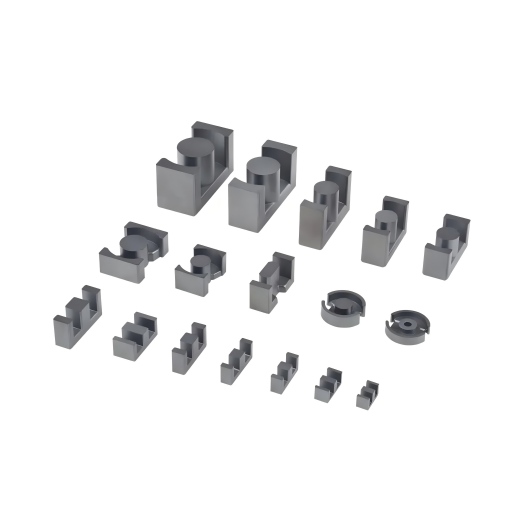
The three most commonly used soft magnetic materials for high-frequency transformers are: nanocrystalline materials, amorphous alloys, and ferrites. These materials have significantly different magnetic properties, and incorrect selection can lead to overheating, deterioration of EMI performance, and waste of costs.
Nanocrystals, amorphous materials, ferrites: How to choose the magnetic core materials for high-frequency transformers?
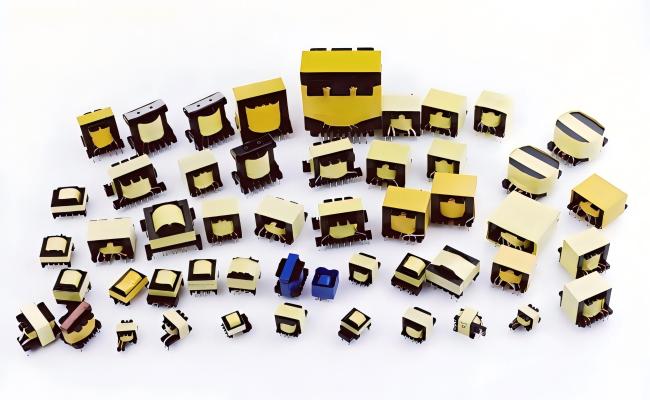
Practical SMPS transformer calculation tutorial. From parameter confirmation and core selection to winding, air‑gap and thermal verification for power supply design.
How to Calculate Switching Power Supply Transformers: A Complete Method from Parameter Determination to Core Selection

Customized magnetic components are not simple parameter adjustments; they are based on full-dimensional customized design of vehicle application scenarios, operating conditions data, and automotive standards, optimizing from material formulation, magnetic circuit structure, winding process, heat dissipation structure, protection system, and durability verification, completely solving the industry pain points of poor adaptability, short lifespan, and high failure rate of standard components.
How do custom magnetic components ensure longevity in harsh automotive environments?
Unlike ordinary civil‑use power inductors, industrial‑grade inductors for charging piles need to balance anti‑saturation capability, low loss, stability over a wide temperature range, low harmonic interference and excellent heat dissipation performance.
Inductor Selection and Thermal Management Strategy in Charger Module Power Supply: High Efficiency, Stable Load, and Long-Term Reliability Solution
SEND MESSAGE