

Common mode differential mode custom filter power supply high-frequency
T25*15*13
T251513 Iron-Silicon-Aluminum Magnetic Ring Inductor, featuring high-quality iron-silicon-aluminum magnetic core, a ring structure without a frame, and wound with high-purity enameled copper wire.
Download directory
Download directory
T251513 Magnetic Ring Inductor, with a low leakage magnetic flux in the ring-shaped closed magnetic circuit, it can reduce electromagnetic interference to peripheral electronic components, facilitating the EMC debugging of the entire machine. The DC resistance of the winding is low, the temperature rise under full load is small, and the power conversion efficiency is higher.
Product parameters
| Rated current | 0.1mA | Inductor type | Common mode inductor |
| Inductance | 1μH | DC resistance (DCR) | 0.1Ω |
| Package | Non-standard | Operating temperature range | -20°C to 120°C |
| Brand | CXWON | Shielding type | No shielding |
| Core material | Ferrite | Self-resonant frequency (SRF) | 10MHz |
| Reactance (XL) | 5Ω | Saturation current (lsat) | 100mA |
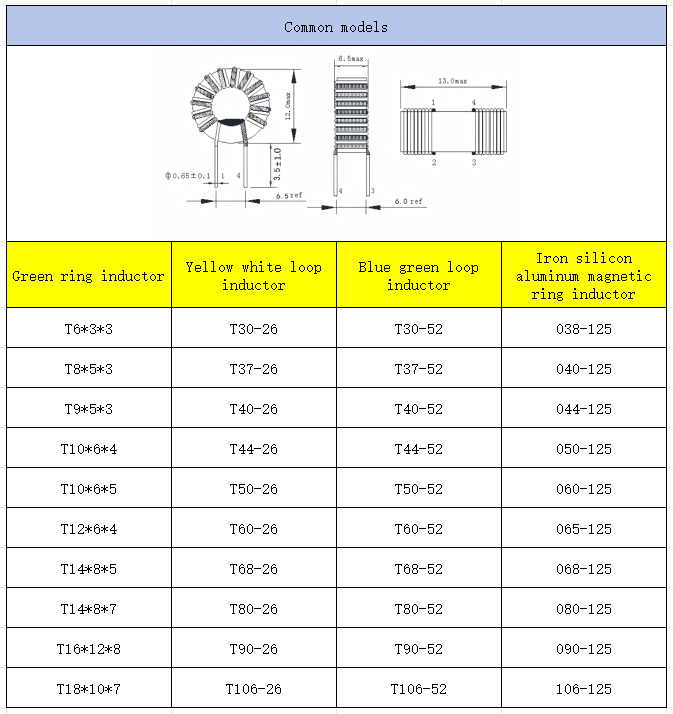
Common models
Core advantages of Inductor
1. High-quality iron-silicon-aluminum magnetic core with low loss in medium and high frequency range. Compared to ordinary iron powder cores, it has lower working temperature rise and higher power conversion efficiency.
2. Distributed air gap design, excellent DC bias performance. Under heavy load and high current conditions, the inductance attenuation is small, and the anti-magnetic saturation ability is strong.
3. Closed ring magnetic circuit. The magnetic lines almost completely enclose within the core, with extremely low leakage flux and less likely to interfere with surrounding ICs and components.
4. Adequate window area of the magnetic ring, allowing for the use of thick wire-diameter enameled wire winding. It has strong current-carrying capacity and is suitable for medium and large power supplies.
5. The DC resistance of the winding is small, with low copper loss. It generates less heat during long-term continuous full-load operation and has good stability.
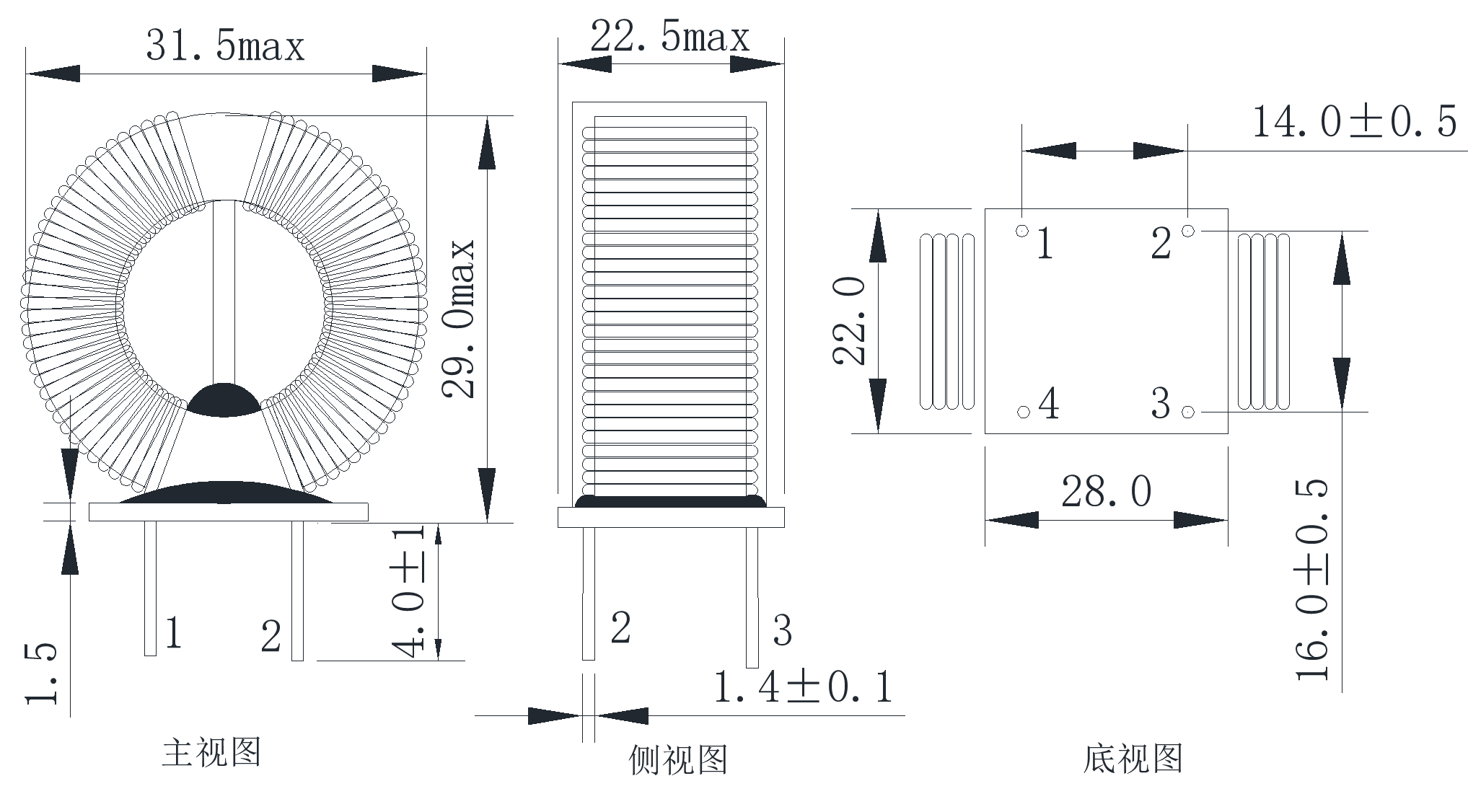
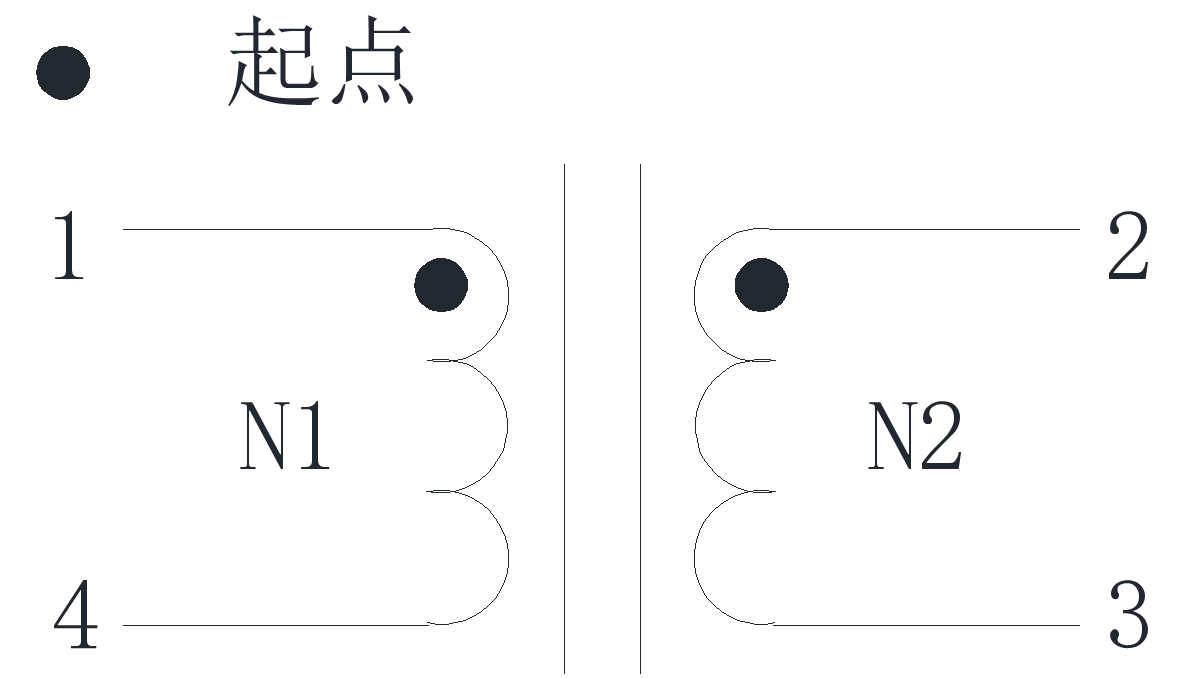
Inductor real-shot details:

Typical application scenarios

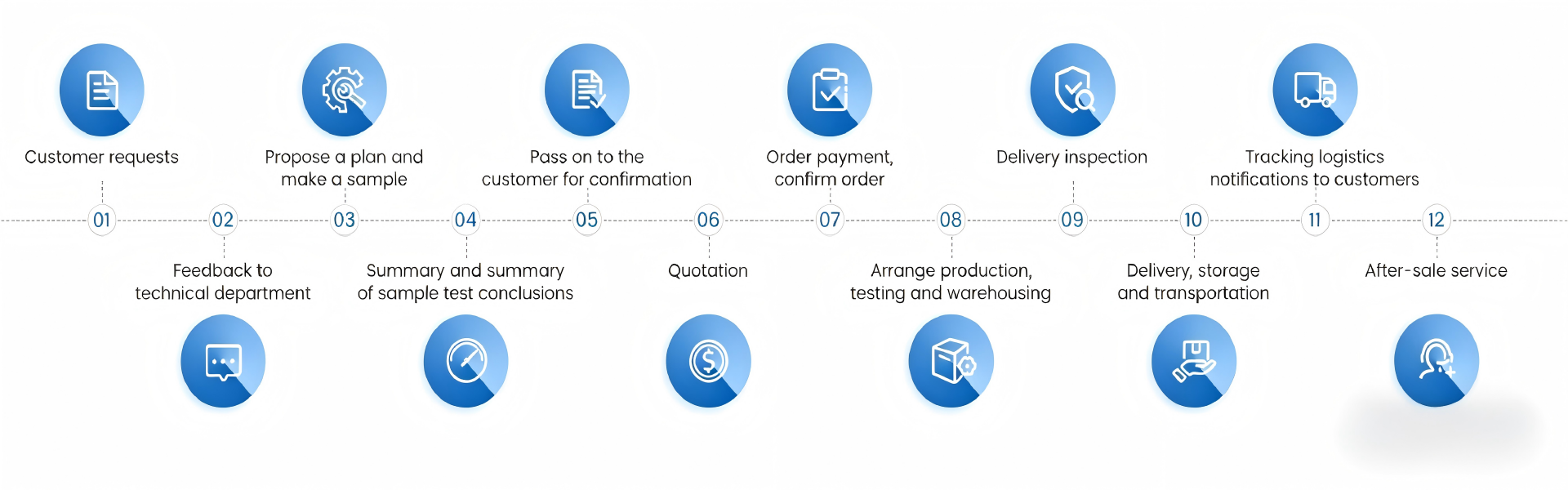
Flowchart

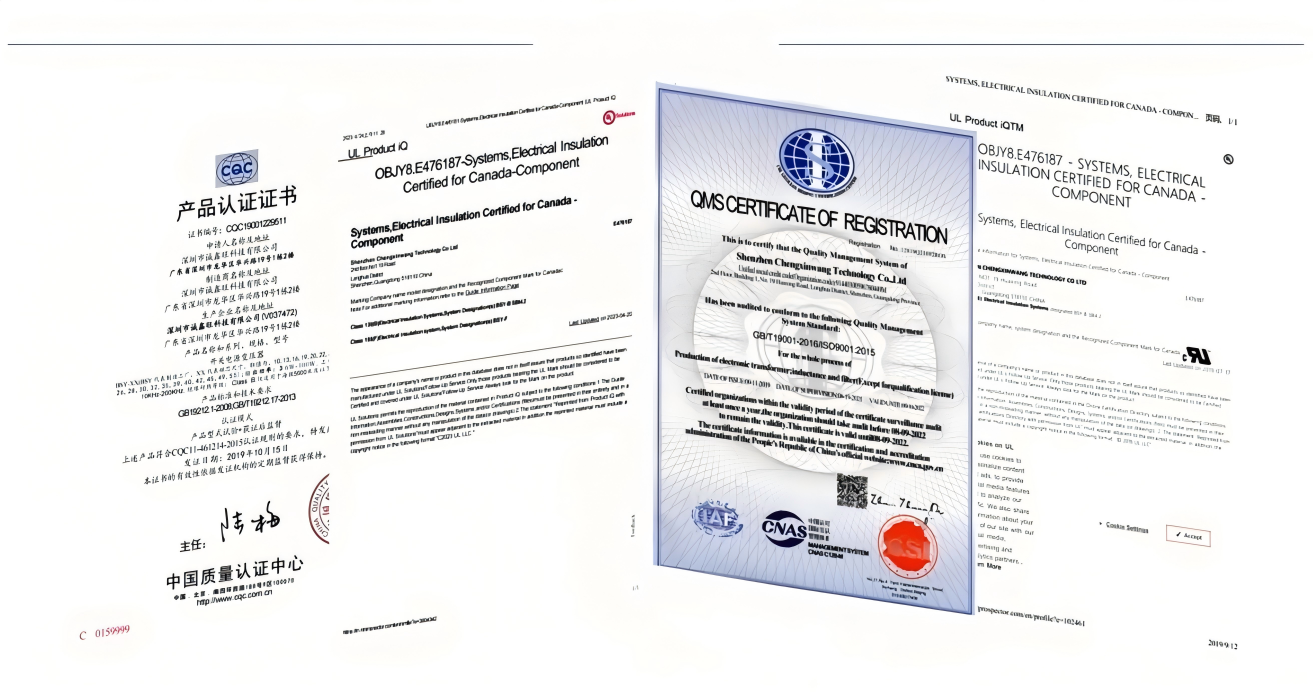
Why choose us

FAQ
Q: What material is the magnetic ring inductor T251513 made of?
A: It uses high-quality iron-silicon-aluminum magnetic powder cores, which are equipped with distributed air gaps. Compared to iron powder cores, it has lower high-frequency losses and better anti-saturation performance.
Q: What are the advantages of T251513 over iron powder core magnetic rings?
A: The iron-silicon-aluminum material has lower high-frequency loss, lower full-load temperature rise, and is less prone to magnetic saturation under high current. It also has better EMI filtering effect.
Q: Is the leakage magnetic flux of T251513 large?
A: The closed ring magnetic circuit has very low leakage magnetic flux, with less magnetic force line leakage. It will not interfere with the surrounding components on the PCB and is convenient for EMC debugging.
Q: Why is T251513 less prone to saturation under high current?
A: The magnetic core adopts a distributed air gap structure, which can evenly distribute the magnetic flux density, improve the DC bias capacity, and have a smaller inductance attenuation amplitude under heavy load.
Q: What are the common causes of high temperature for T251513?
A: Circuit overload, small copper wire diameter leading to excessive DCR, working frequency exceeding the designed range, insufficient heat dissipation space, and poor winding process, all of these can cause excessive temperature rise.
Recommend Products


